

Detroit: Become Human – Where Choices Truly Matter
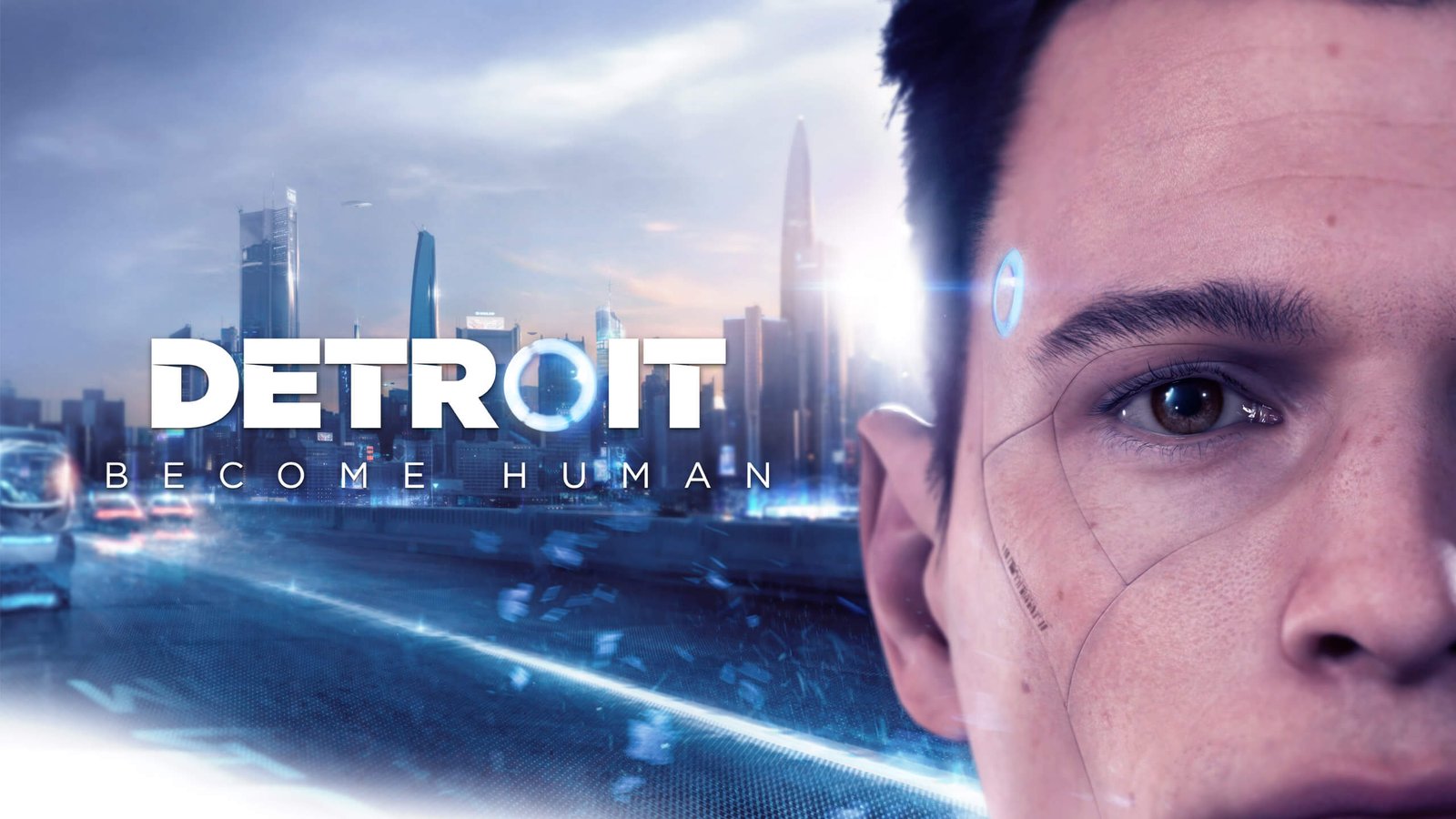
When Detroit: Become Human launched, it wasn’t just another story-driven game. It was a statement — a cinematic experience that asked players to confront what it really means to be human. Developed by Quantic Dream and directed by David Cage, this futuristic drama blends storytelling, performance capture, and moral decision-making into a single unforgettable journey.
🎮 Detroit: Become Human – PC System Requirements
| Requirement | Minimum | Recommended |
|---|---|---|
| OS | Windows 10 (64-bit) (Steam Store) | Windows 10 (64-bit) (Steam Store) |
| Processor (CPU) | Intel Core i5-2300 @ 2.8 GHz or AMD Ryzen 3 1200 @ 3.1GHz or AMD FX-8350 @ 4.2GHz (Quantic Dream) | Intel Core i5-6600 @ 3.3GHz or AMD Ryzen 3 1300X @ 3.4GHz (Game System Requirements) |
| Memory (RAM) | 8 GB RAM (Steam Store) | 12 GB RAM (Steam Store) |
| Graphics (GPU) | NVIDIA GeForce GTX 780 or AMD HD 7950 with 3 GB VRAM (Vulkan 1.1 support required) (Steam Store) | NVIDIA GeForce GTX 1060 or AMD Radeon RX 580 with 4 GB VRAM (Vulkan 1.1 support required) (Steam Store) |
| Storage (HDD/SSD) | 55 GB available space (Steam Store) | 55 GB available space (Game System Requirements) |
| Additional Notes | Requires 64-bit OS; game supports 4K/60fps on PC version. (Steam Store) | — |
Welcome to 2038: A World on the Edge
The story takes place in Detroit, Michigan, in the year 2038. Androids have become part of everyday life — they cook, clean, drive, and even care for children. But cracks are beginning to show in this new society. Some androids have started to “deviate,” breaking free from their programming and showing signs of emotion, empathy, and rebellion.
You step into the shoes of three very different androids:
Connor, a prototype designed to hunt down deviant androids.
Kara, a housekeeper android who defies her owner to protect a young girl.
Markus, a service android who becomes the face of a revolution.
Their stories intertwine beautifully, forcing you to make difficult choices that shape not only their fates — but the fate of an entire species.
Gameplay – Every Choice Counts
Calling Detroit: Become Human a “game” almost undersells it. It’s more like an interactive film, where every dialogue choice, quick-time event, and small decision can lead to drastically different outcomes.
Unlike many choice-based games, Detroit truly commits to the idea of consequences. A single missed action or emotional choice can change entire storylines. Characters can die permanently, relationships can shift instantly, and endings can vary wildly based on your actions.
The game’s flowchart system lets you see exactly how your choices branch off, showing how many possibilities you missed — a clever way to encourage replayability without breaking immersion.
Visuals and Performance
Even years after its release, Detroit: Become Human remains one of the most visually stunning narrative games ever made. The facial capture technology is mind-blowing — every twitch, glance, and tear looks incredibly lifelike.
On PC, the game shines even brighter. The improved frame rates, higher resolutions, and sharper textures make Detroit feel more alive than ever. Running it on a modern GPU like an RTX 4070 or RX 7900 XT easily hits 4K 60fps, letting you experience the city’s neon lights and rain-soaked streets in full cinematic glory.
The Heart of the Game: Humanity
What sets Detroit apart is how deeply it explores morality. Every player walks away with different feelings about who was right or wrong.
Are the androids justified in rebelling?
Can empathy be programmed?
And if an android can feel fear, pain, or love — what separates it from us?
The game doesn’t spoon-feed answers. Instead, it holds up a mirror, letting you see your own humanity reflected in your choices. Few games have managed to provoke that kind of introspection while still delivering edge-of-your-seat drama.
Voice Acting and Soundtrack
The cast gives stellar performances:
Bryan Dechart as Connor brings a fascinating balance of logic and vulnerability.
Valorie Curry makes Kara’s maternal warmth deeply human.
Jesse Williams infuses Markus with passion and moral weight.
Paired with an incredible orchestral score, each character’s theme mirrors their emotional journey — from calm reflection to chaos and revolution.
Why You Should Play It (or Replay It)
Whether you’re a first-time player or revisiting it after a few years, Detroit: Become Human still hits hard. It’s one of those rare games that reward replaying, not for achievements, but for curiosity — just to see how differently things could have gone.
And with its PC version offering full 4K visuals, controller or keyboard support, and better optimization, it’s never been easier to dive into this branching, emotional story again.
Final Verdict
Detroit: Become Human isn’t just about androids and technology. It’s about freedom, empathy, and what defines consciousness. It tells a story that feels more relevant with each passing year — as AI and automation continue to shape our own future.
It’s a slow burn, a reflection of choice and consequence, and above all, a testament to how powerful storytelling in gaming can be.